





Electrical and electronic equipment EEE
The UK Government and Envoronment Agency defines EEE as equipment:
- which is dependent on electric currents or electromagnetic fields to work properly
- for generating, transferring and measuring these currents and fields
- designed for use with a voltage rating 1,000 volts or less for alternating current, and 1,500 volts or less for direct current
- ‘Dependent on electric currents or electromagnetic fields to work properly’ means that the equipment needs electric currents or electromagnetic fields (not petrol or gas) to fulfil its basic function. So when the electric current is off, the equipment cannot fulfil its basic function.
Where electrical energy is only used for support or control functions, the equipment is not covered by the regulations. Equipment that only needs a spark to start it (electronic ignition) and does not need electricity to fulfil its basic function includes:
Electrical or electronic versions of standard products such as electric toothbrushes and electric suitcases are EEE products. Products that are not connected to a mains supply may still be EEE. They can be wind-up, battery-powered and solar-powered products. Where a product has several functions and only one needs an electrical current, the product may still be EEE.
[edit] Related articles on Designing Buildings
- Articles about electricity.
- Consumer electronics.
- Consumer unit.
- ECA articles.
- Electrical appliance.
- Electrical consumption.
- Electrical definition.
- Electrical energy.
- Electrical equipment.
- Electrical installation.
- Electrical power.
- Electrical resistance.
- Electrical safety.
- Electrical system.
- Electrical wiring.
- Electrician.
- Electricity bill.
Featured articles
Check out some of the best features and news from Designing Buildings as well as key stories from around the web.
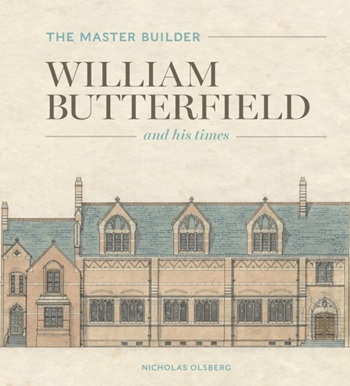
The Master Builder: William Butterfield and his times. Book review.
Why construction can't afford to ignore the skills gap.
Building Safety Regulator, 19 August

Gill Kernick appointed Independent Chair of Residents’ Panel.
Connecting knowledge, technology and conservation
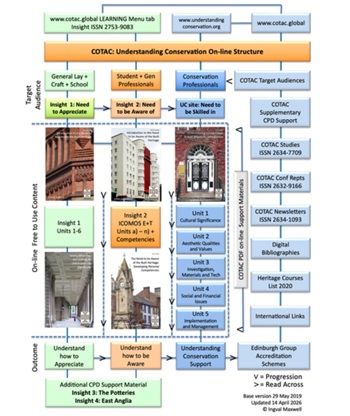
Building competence for the future of built heritage.
Building Regulations and Building Safety Act
CIOB publishes free advice for non-domestic clients.
Building Safety Newsletter from MHCLG.
An extraordinary record of steel engineering worldwide.
Households living near new pylons to save on bills.

ECA warns growth must not outpace grid capacity or skills.
The role of the client and decision making

CIOB response to built environment professions call for evidence.
Construction's sustainability reporting revolution
Tracking upfront embodied carbon with digital tools.
ECA welcomes procurement reforms
Public spending must back British jobs and skills.